Key words: Textile Manufacturing, Bleaching, Water Treatment, Environmental Protection
The textile industry faces mounting pressure to adopt sustainable practices as environmental concerns grow and consumers demand eco-friendly products. With its extensive use of water and chemicals, the industry has long been associated with significant environmental challenges, including water pollution, high chemical usage, and resource depletion. Chlorine Dioxide (ClO₂) is emerging as a revolutionary solution in this context, offering a multi-faceted approach to addressing these issues. This article delves into the critical challenges faced by the textile industry and explores how ClO₂ is transforming textile manufacturing into a more sustainable and environmentally responsible practice.
Understanding the Environmental Impact of Textile Manufacturing
Textile manufacturing is an essential yet resource-intensive industry, with its environmental footprint stemming from several key areas:
- Water Usage and Pollution:
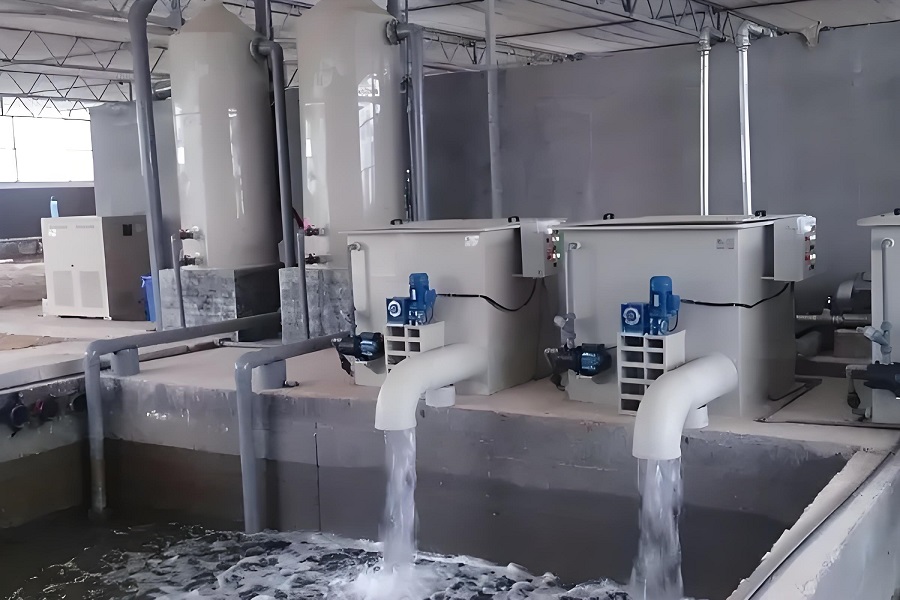
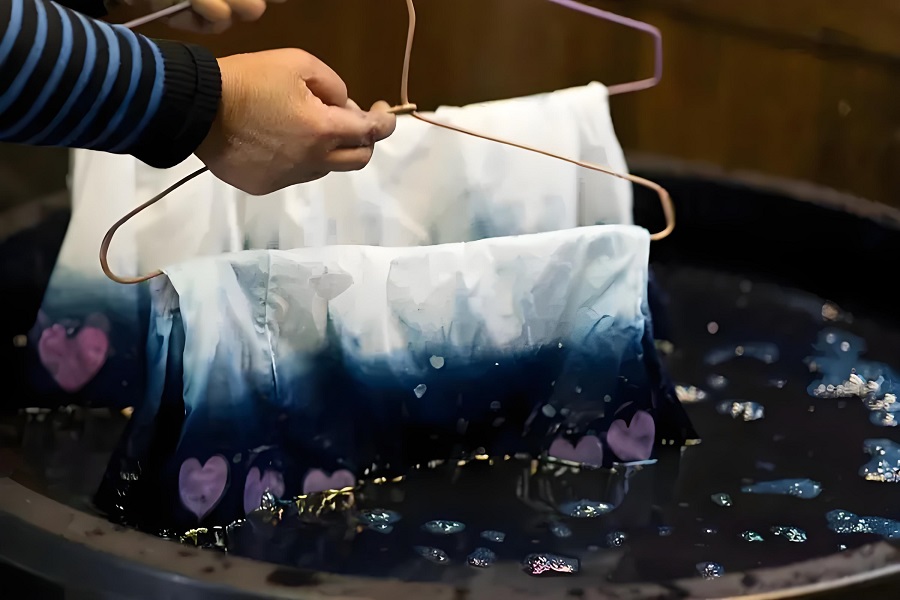
The dyeing, bleaching, and finishing processes consume vast quantities of water, often resulting in the discharge of wastewater laden with toxic chemicals into local water bodies. This contamination not only disrupts aquatic ecosystems but also poses severe health risks to surrounding communities. - Chemical Dependency:
The industry relies heavily on chemicals for various stages of production, from treating raw materials to finishing textiles. Traditional methods, such as chlorine-based bleaching, introduce hazardous substances into the environment, contributing to pollution and occupational health hazards. - Energy Consumption:
High energy use is another challenge, particularly in heating water and running machinery for dyeing and finishing. This contributes to a significant carbon footprint, exacerbating climate change concerns.
Chlorine Dioxide: A Sustainable Alternative
Chlorine Dioxide presents a viable and sustainable alternative for tackling these environmental challenges. Its unique chemical properties and versatile applications in the textile industry make it an effective solution for reducing environmental impact without compromising production quality.
1. Efficient Water Treatment
One of the most critical applications of ClO₂ in textile manufacturing is in water treatment. The industry’s reliance on clean water is paramount, especially during dyeing and finishing processes. ClO₂ is a potent disinfectant that ensures water used in these stages is free from microbial contamination. Unlike traditional chlorine, ClO₂ does not produce harmful chlorinated by-products, making it a safer option for both the environment and workers. Furthermore, its effectiveness at lower concentrations reduces the chemical load on water resources, aligning with the goals of sustainable manufacturing.
2. Safe and Effective Bleaching
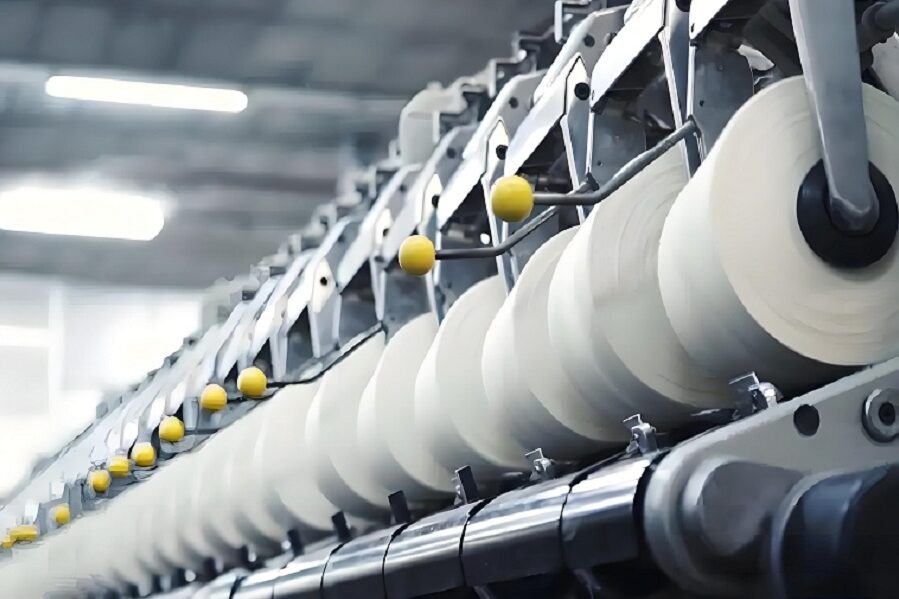
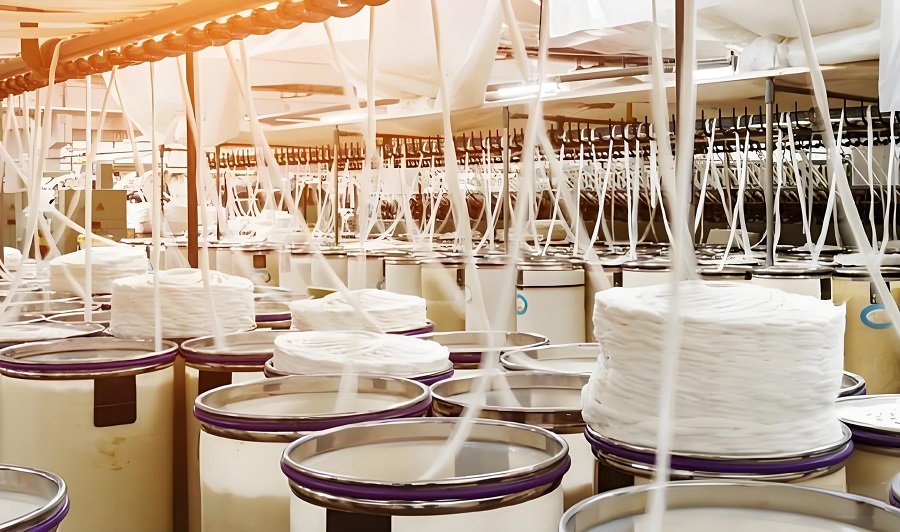
The bleaching of textiles is another area where ClO₂ demonstrates significant advantages. Traditional chlorine bleaching methods are notorious for their harshness, often degrading the quality of fabrics and releasing toxic substances into the environment. ClO₂, on the other hand, offers a gentler yet equally effective bleaching action. It ensures uniform whiteness without compromising the integrity of the fabric, thereby extending the lifespan of textiles. This not only reduces waste but also supports the production of higher-quality products that meet eco-conscious consumer demands.
3. Wastewater Treatment and Environmental Protection
The treatment of wastewater is a pressing issue for textile manufacturers, given the stringent environmental regulations they must comply with. ClO₂ excels in this area by efficiently breaking down harmful contaminants in wastewater before it is discharged. Its ability to oxidize organic and inorganic pollutants helps in reducing the toxicity of effluents, thereby protecting local ecosystems and water sources. By integrating ClO₂ into wastewater treatment processes, manufacturers can significantly lower their environmental impact and adhere to regulatory standards with greater ease.
The Economic and Environmental Benefits of Chlorine Dioxide
Adopting ClO₂ in textile manufacturing is not just an environmental imperative but also an economically sound decision. Its multiple benefits translate into cost savings, improved efficiency, and enhanced product quality.
1. Cost Efficiency Through Reduced Chemical Usage
ClO₂’s high efficacy at lower concentrations means that manufacturers can achieve the desired results with less chemical input. This reduction in chemical usage directly correlates with lower procurement and disposal costs, offering significant savings over time. Additionally, the reduced environmental impact lowers the risk of penalties associated with non-compliance to environmental regulations.
2. Energy Savings
The application of ClO₂ can also lead to energy savings. Its effective bleaching and disinfecting properties often require less heat and processing time, reducing overall energy consumption. This not only cuts operational costs but also minimizes the carbon footprint of the manufacturing process, contributing to global efforts to combat climate change.
3. Enhanced Worker Safety and Product Quality
ClO₂’s safer profile compared to traditional chemicals reduces health risks for workers, fostering a safer workplace environment. Furthermore, fabrics treated with ClO₂ maintain their structural integrity and aesthetic appeal, leading to higher-quality products that are more durable and less likely to be discarded prematurely. This supports a more circular economy within the textile industry, where products are designed and treated to have longer life cycles.
Chlorine Dioxide is proving to be a transformative agent in the quest for sustainable textile manufacturing. Its versatility in water and fabric treatment, combined with its environmentally friendly properties, positions it as an essential tool for the industry’s future. By adopting ClO₂, manufacturers can achieve significant environmental, economic, and social benefits, driving the industry towards a greener and more responsible future.
DOTIAN® is at the forefront of providing advanced ClO₂ solutions tailored to meet the specific needs of textile manufacturers. Our expertise and commitment to innovation ensure that our clients can implement these sustainable practices effectively, without compromising on quality or efficiency. As the textile industry continues to evolve, Chlorine Dioxide will undoubtedly play a crucial role in shaping its sustainable future.
Contact us today to learn how DOTIAN® can help you implement sustainable Chlorine Dioxide solutions tailored to your textile manufacturing needs.

Chlorine Dioxide Tablets for Agriculture
-
Chlorine Dioxide Tablets for Brewery
-
Chlorine Dioxide Tablets for Cooling Tower
-
Chlorine Dioxide Tablets for Healthcare
-
Chlorine Dioxide Tablets For Horticulture
-
Chlorine Dioxide Tablets for Poultry 20g
-
Chlorine Dioxide Tablets For Water Treatment
-
Chlorine Dioxide Water Purification Tablets
-
Chlorine Powder for Disinfection